"Should we switch to salt water?" is probably the second most common question we hear, right after "how much does resurfacing cost?" And the answer isn't as simple as the marketing from salt system manufacturers would have you believe.
Salt water pools have real advantages. They also have tradeoffs that most homeowners don't learn about until after the conversion. Here's the full picture — the good, the less good, and how to decide whether it makes sense for your pool.
First: Salt Water Pools Still Use Chlorine
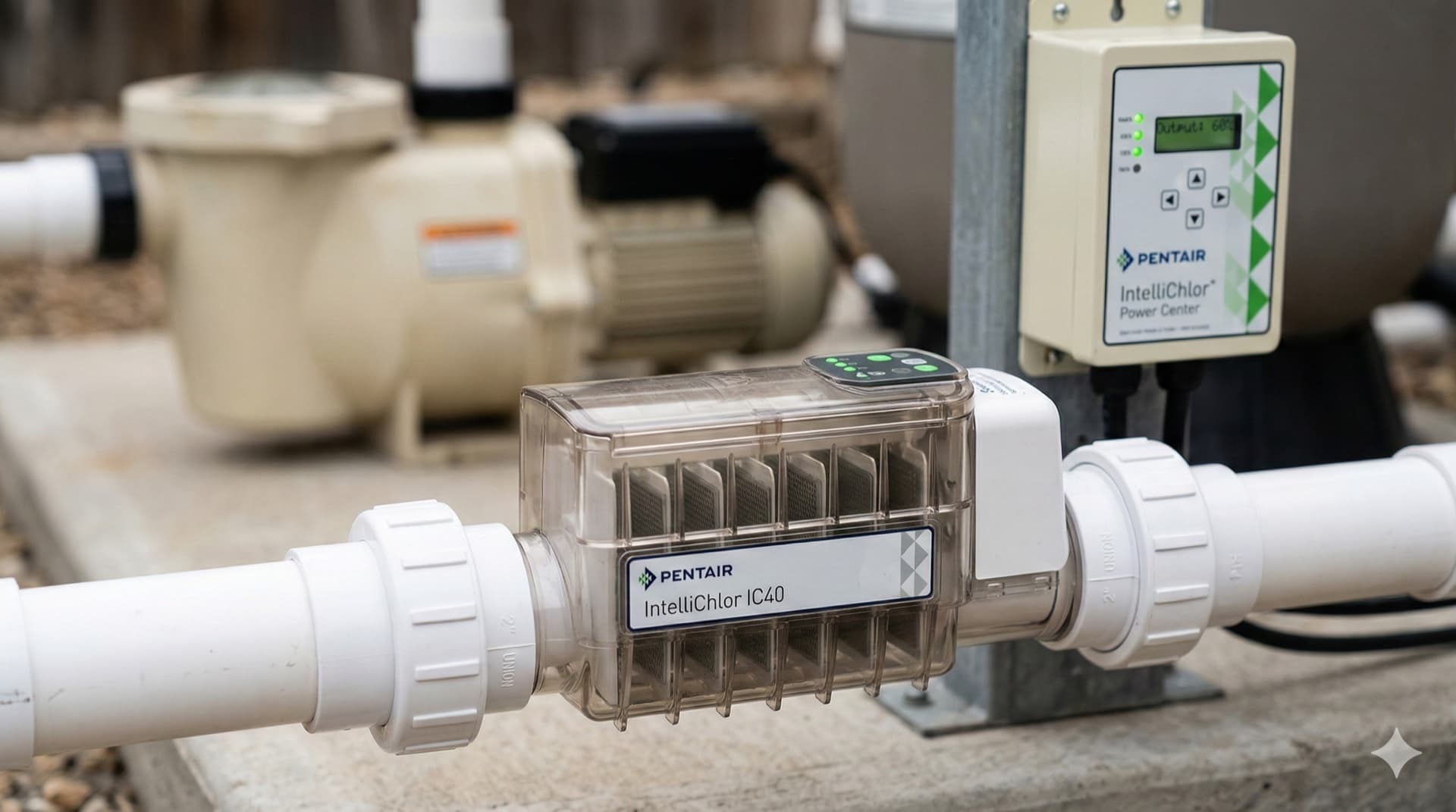
This is the misconception that needs clearing up front. A salt water pool is not a chlorine-free pool. It's a pool that generates its own chlorine from dissolved salt using an electrolytic cell.
The salt cell converts sodium chloride (table salt) into hypochlorous acid — which is chlorine. The chlorine level in a salt water pool is typically the same as a traditionally chlorinated pool: 1 to 3 ppm.
The difference is in the delivery method, not the sanitizer itself. Instead of adding chlorine tablets, liquid, or granular chlorine manually or through a feeder, the salt cell produces chlorine continuously as water flows through it.
This matters because some of the "benefits" attributed to salt water pools — like being gentler on skin or eyes — have more to do with the steady, consistent chlorine levels the generator produces than with the salt itself. A traditionally chlorinated pool with perfect chemical management feels similar. Most traditionally chlorinated pools don't have perfect chemical management.
The Real Advantages of Salt Systems
Consistent Chlorine Levels
This is the most underappreciated benefit. A salt cell generates chlorine steadily throughout the day, maintaining a consistent level. Traditional chlorination methods produce peaks (right after adding chemicals) and valleys (right before the next dose). Those peaks and valleys are what cause red eyes, bleached swimsuits, and the "chlorine smell" people associate with pools.
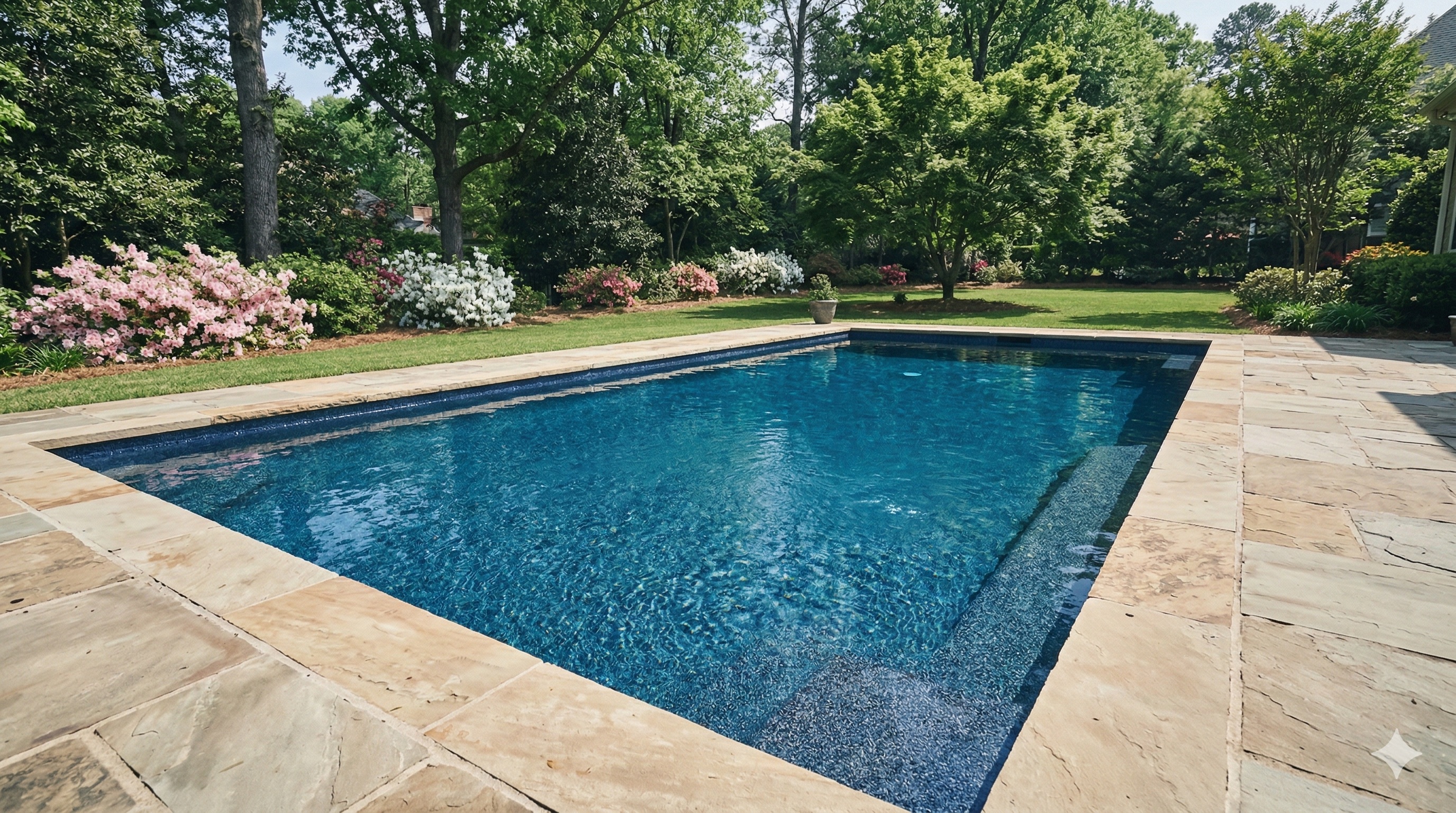
A salt system essentially acts as a perfectly timed, always-running chemical feeder. The consistency is the real upgrade.
Lower Ongoing Chemical Costs
You'll still spend money on chemicals — pH adjustment, cyanuric acid, calcium hardness balancers — but you won't be buying chlorine tabs or liquid chlorine. Pool salt is inexpensive and lasts months, while chlorine tabs and liquid chlorine are a recurring seasonal expense. Over time, most salt pool owners see meaningful savings on chemicals compared to traditional chlorination.
Softer Water Feel
This one is real and noticeable. The dissolved salt concentration in a salt pool (around 3,000 to 4,000 ppm) creates a subtle softness to the water that most people prefer. It's not salty like ocean water (which is 35,000 ppm) — you probably won't taste it at all. But the water feels different on your skin.
Less Chemical Handling
No more storing buckets of chlorine tablets. No more lugging liquid chlorine from the pool store. No more chemical fumes in the garage. For homeowners who do their own pool maintenance, this convenience factor is significant.
What Salt System Sellers Don't Emphasize
Upfront Cost
A salt chlorine generator requires a meaningful upfront investment for the cell, controller, and installation. The cell itself needs replacement every 3 to 7 years, which is an ongoing cost to factor in.
When you account for the cell replacement cycle, the long-term cost comparison with traditional chlorination is roughly break-even — maybe a slight savings with salt, but not dramatic. The primary motivation should be convenience and water quality, not cost savings.
Salt Cell Maintenance
The cell requires periodic cleaning (every 3 to 6 months) to remove calcium scale buildup. Some systems have self-cleaning cells that reverse polarity to shed scale. Others require manual acid washing. Neglecting cell maintenance shortens its life and reduces chlorine output.
Impact on Pool Surfaces
This is the tradeoff that matters most for renovation homeowners, and it's the one salt system sellers don't emphasize.
Salt water can be harder on pool surfaces than traditional chlorination if water chemistry isn't maintained properly. The electrolysis process affects pH (it tends to drift upward), and chronically high pH accelerates surface deterioration.
Plaster finishes are the most vulnerable. Salt water pools with plaster finishes tend to show surface wear faster than non-salt plaster pools, especially if pH management is lax. If you're converting to salt, don't resurface with standard plaster.
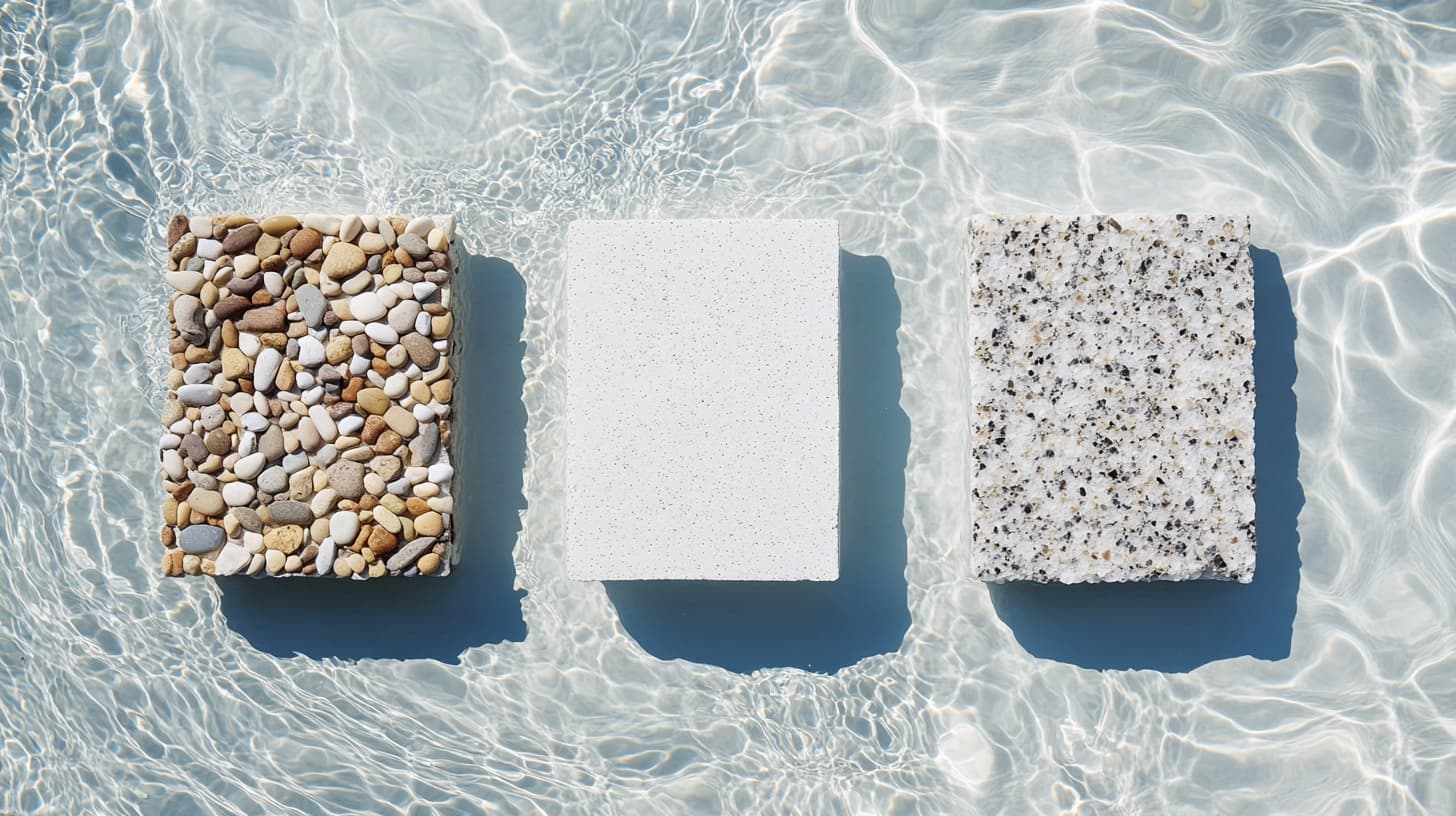
Pebble finishes (StoneScapes) and quartz finishes handle salt systems well. The aggregate surface is more resistant to the chemistry swings that salt systems can produce. This is one of the reasons pebble has become the default finish for salt water pools.
Coping and decking can also be affected. Salt water splashes on natural stone coping and deck surfaces over time. Travertine and limestone are porous and can show salt crystallization or erosion around the pool edge. Proper sealing and regular rinsing of the deck and coping mitigate this, but it's maintenance you need to stay on top of.
Equipment Compatibility
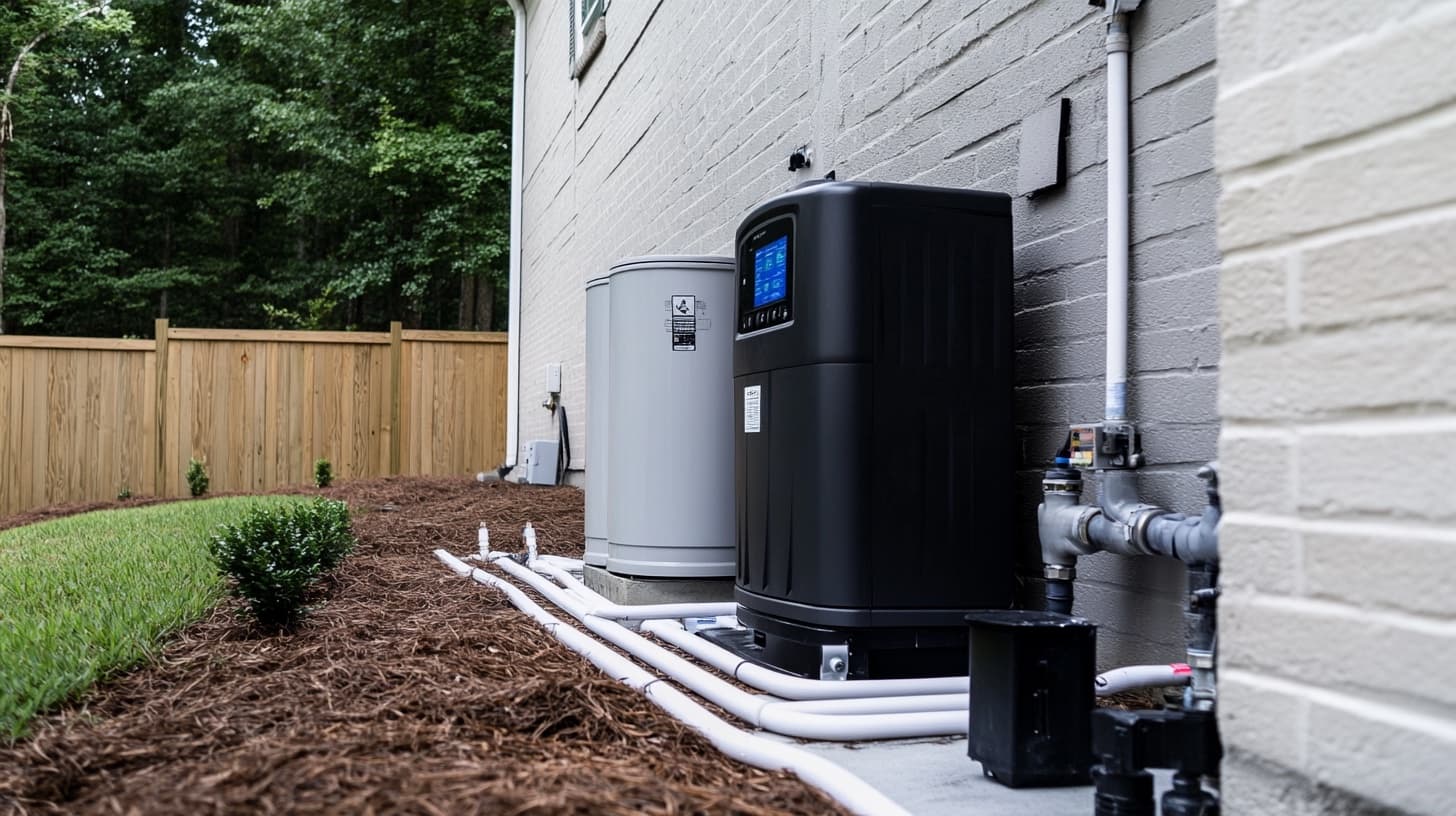
Salt is corrosive to certain metals. Check that your existing equipment — heater heat exchanger, ladder hardware, light fixtures, handrails — is compatible with salt water.
Heaters with cupro-nickel heat exchangers handle salt well. Standard copper heat exchangers corrode faster. If your heater has a copper exchanger and you're converting to salt, you may need to budget for a heater upgrade.
Most modern pool equipment is designed for salt compatibility, but pools with older equipment (pre-2010) may need selective upgrades.
What the Conversion Involves
Converting an existing chlorine pool to salt is relatively straightforward:
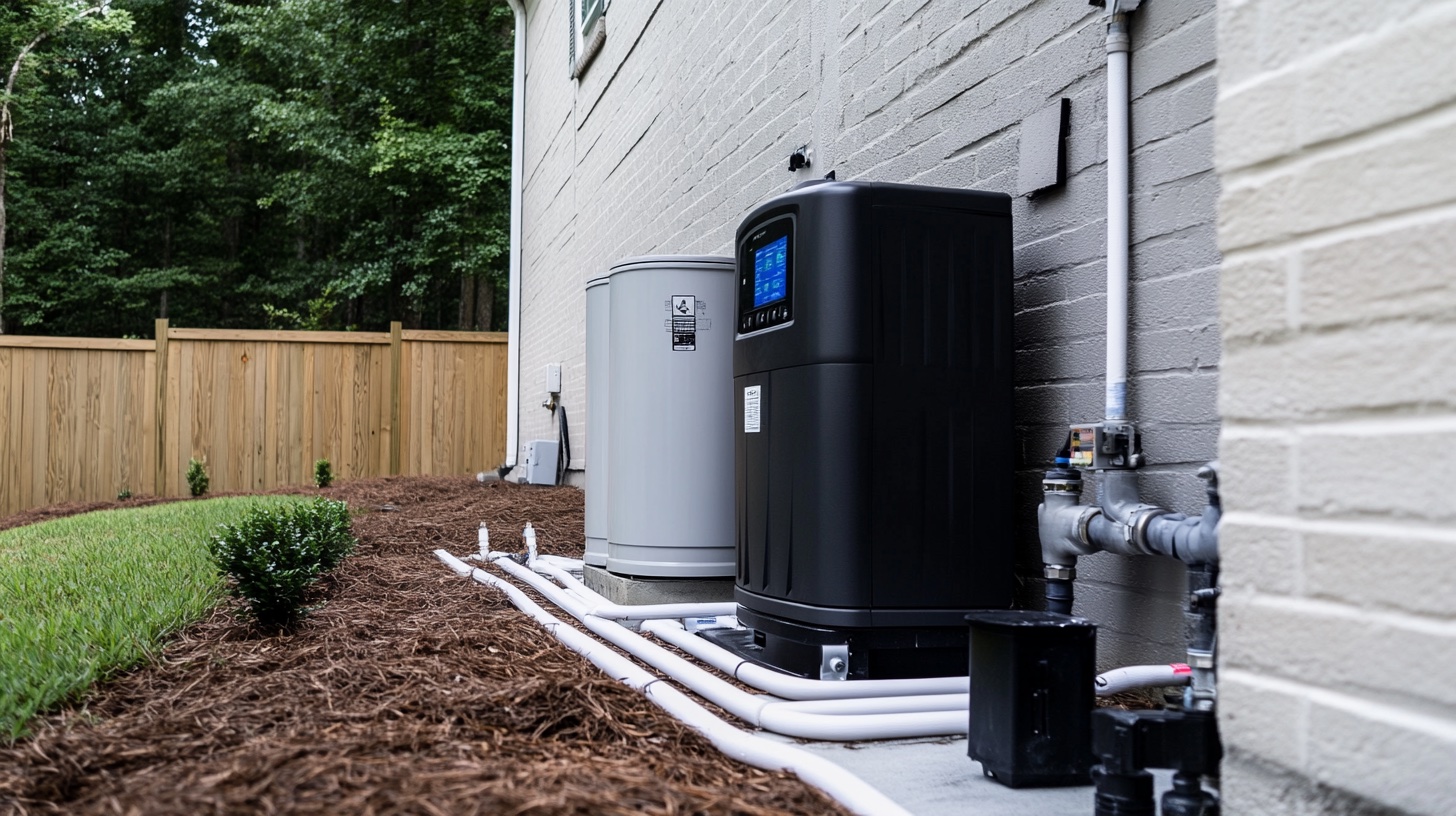
Equipment installation (1 day). The salt cell is plumbed into the return line after the filter and heater. The controller is mounted near the equipment pad and wired to the cell and pump.
Adding salt (same day). Bags of pool-grade salt are dissolved into the pool water. A standard residential pool needs 400 to 600 pounds of salt for initial startup. The salt dissolves within 24 hours with the pump running.
Calibration and testing (1–2 days). The system is calibrated to the correct output level, and water chemistry is tested and adjusted.
Total downtime: Effectively zero. You can swim in the pool the same day the salt is added.
The Best Time to Convert
If you're already planning a renovation — resurfacing, coping, equipment upgrades — adding a salt system during the renovation is the ideal time.
Here's why: your pool is already drained for resurfacing, the equipment pad is already being worked on, and you can choose a salt-compatible finish (pebble or quartz) from the start. Converting during renovation costs less than converting independently because the labor overlaps.
If you're not renovating but want to convert, it's a standalone project that can be done any time the pool is running — no need to drain.
Should You Convert?
Convert if: You value the convenience of not handling chlorine chemicals, you prefer the softer water feel, and you're willing to maintain the salt cell and stay on top of pH management. Converting makes the most sense if you're resurfacing with pebble or quartz anyway and can address equipment compatibility during the same project.
Stay with chlorine if: Your pool has a standard plaster finish that you're not planning to replace soon, your equipment is older with copper heat exchangers, or you have extensive natural stone coping and decking that you don't want to worry about sealing regularly.
The middle ground: Some homeowners in Cumming, Suwanee, and across Metro Atlanta choose a mineral system or supplemental ozone/UV instead of full salt conversion. These systems reduce chlorine demand without the salt-specific tradeoffs. We can walk you through these alternatives during a consultation.
A Conversion That Made Sense (And One That Didn't)
A homeowner in Suwanee was resurfacing their 2006 pool with StoneScapes pebble and replacing all the equipment. They asked about salt. The existing heater had a cupro-nickel heat exchanger, the new pebble finish would handle salt chemistry well, and their travertine coping was already sealed. A Pentair IntelliChlor salt cell was added during the renovation — because the equipment pad was already being reworked, the incremental labor was minimal. A year in, they report noticeably lower chemical costs and softer water.
A different homeowner in Cumming wanted salt but had a standard plaster finish they weren't ready to replace, an older heater with a copper heat exchanger, and unsealed limestone coping. The timing wasn't right — the salt would accelerate wear on the plaster and corrode the heater. The better path was to convert when they resurface in a couple of years with a salt-compatible finish and new equipment.
The Pool & Hot Tub Alliance's 2024 industry data shows salt chlorine generators as the fastest-growing equipment category in residential pool renovations, with adoption rates climbing steadily over the past decade — driven primarily by the convenience factor and softer water feel.
Talk It Through Before You Decide
The salt-vs.-chlorine decision depends on your pool's finish, equipment, and your maintenance habits. We install salt systems regularly — and we also steer homeowners away from them when the setup isn't right. We'd rather give you the straight answer now than deal with problems later.
Call or use the contact form to schedule a consultation.
Ready to Talk About Your Pool?
Get a free, no-obligation consultation from Cornerstone Pool & Remodel.
Request a Free Quote