If your pool has a single-speed pump — and most Metro Atlanta pools built before 2015 do — you're running the least efficient piece of equipment in your backyard. Single-speed pumps have one setting: full blast. That's like driving your car in only one gear.
Variable speed pumps adjust their motor speed to match the task. The result is dramatically lower energy bills and quieter operation. But they cost more upfront, so the question most homeowners ask is: is the payback real?
Here's what the numbers actually look like.
How Variable Speed Pumps Work
A single-speed pump runs at one speed — typically 3,450 RPM. It pushes water at full force whether you need high flow (running a spa or pool cleaner) or low flow (daily filtration).
A variable speed pump adjusts between roughly 600 and 3,450 RPM. For everyday filtration, it runs at a low speed — usually 1,200 to 1,800 RPM — and ramps up only when higher flow is needed for cleaning, heating, or water features.
The physics behind the energy savings is called the pump affinity law: when you cut the pump speed in half, you reduce the energy consumption by roughly 75%. That's not a typo. Running at half speed uses one-quarter of the electricity.
The Energy Savings in Georgia
A typical single-speed pool pump in Metro Atlanta runs 8 to 12 hours per day during swim season and consumes a significant amount of electricity.
A variable speed pump doing the same filtration job — running longer at much lower speeds — uses dramatically less energy. Most homeowners see substantial monthly savings that add up quickly over Georgia's extended swim season (April through October). Even during the cooler months, the pump still runs reduced hours, so the annual savings are significant.
Cost and Payback
Variable speed pumps cost more than single-speed pumps upfront, but the gap has narrowed significantly over the past few years. The energy savings typically pay back the price difference within a few years — after which the pump is saving you money every month for the remainder of its lifespan.
Variable speed pumps also last longer than single-speed pumps. Running at lower speeds reduces motor wear, so a variable speed pump often lasts 8 to 12 years at typical variable-speed duty cycles compared to 5 to 7 years for a single-speed pump running at full speed.
The DOE Requirement
Since 2021, the U.S. Department of Energy requires all new replacement pool pumps over 1 HP to meet energy efficiency standards that effectively mandate variable speed technology. If your current pump is 1.5 HP or 2 HP — which most residential Atlanta pools are — your next replacement pump will be variable speed regardless.
This doesn't apply if you're replacing a pump under 1 HP, but for the vast majority of Metro Atlanta pools, the choice isn't really between single-speed and variable speed anymore. It's about which variable speed pump and whether to upgrade now or wait until your current pump fails.
Top Brands we Install
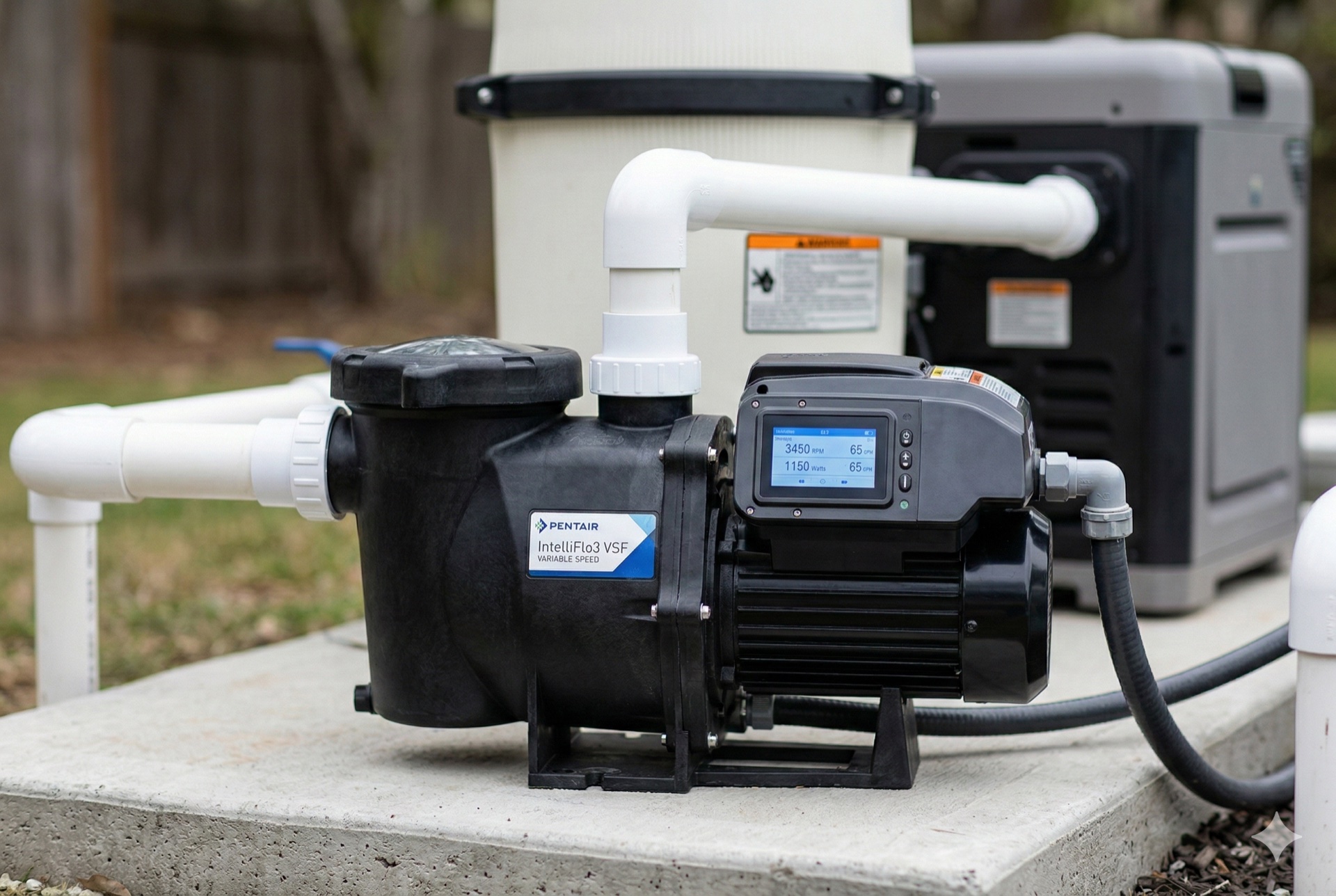
Pentair IntelliFlo. The market leader and the pump we install most often. The IntelliFlo VSF (Variable Speed and Flow) is the current top model, with built-in flow monitoring and programmable speed schedules. Excellent reliability record.
Jandy VS FloPro. Strong competitor to Pentair, particularly popular with homeowners who have Jandy automation systems (the pumps integrate seamlessly). Good value for the performance.
Hayward Super Pump VS. Solid entry-level variable speed option. Lower price point than Pentair or Jandy, with slightly fewer features but the same core energy savings.
All three brands offer comparable energy savings. The choice often comes down to which brand matches your existing equipment and automation system — mixing brands can create compatibility headaches.
When to Upgrade
The ideal times to switch to a variable speed pump:
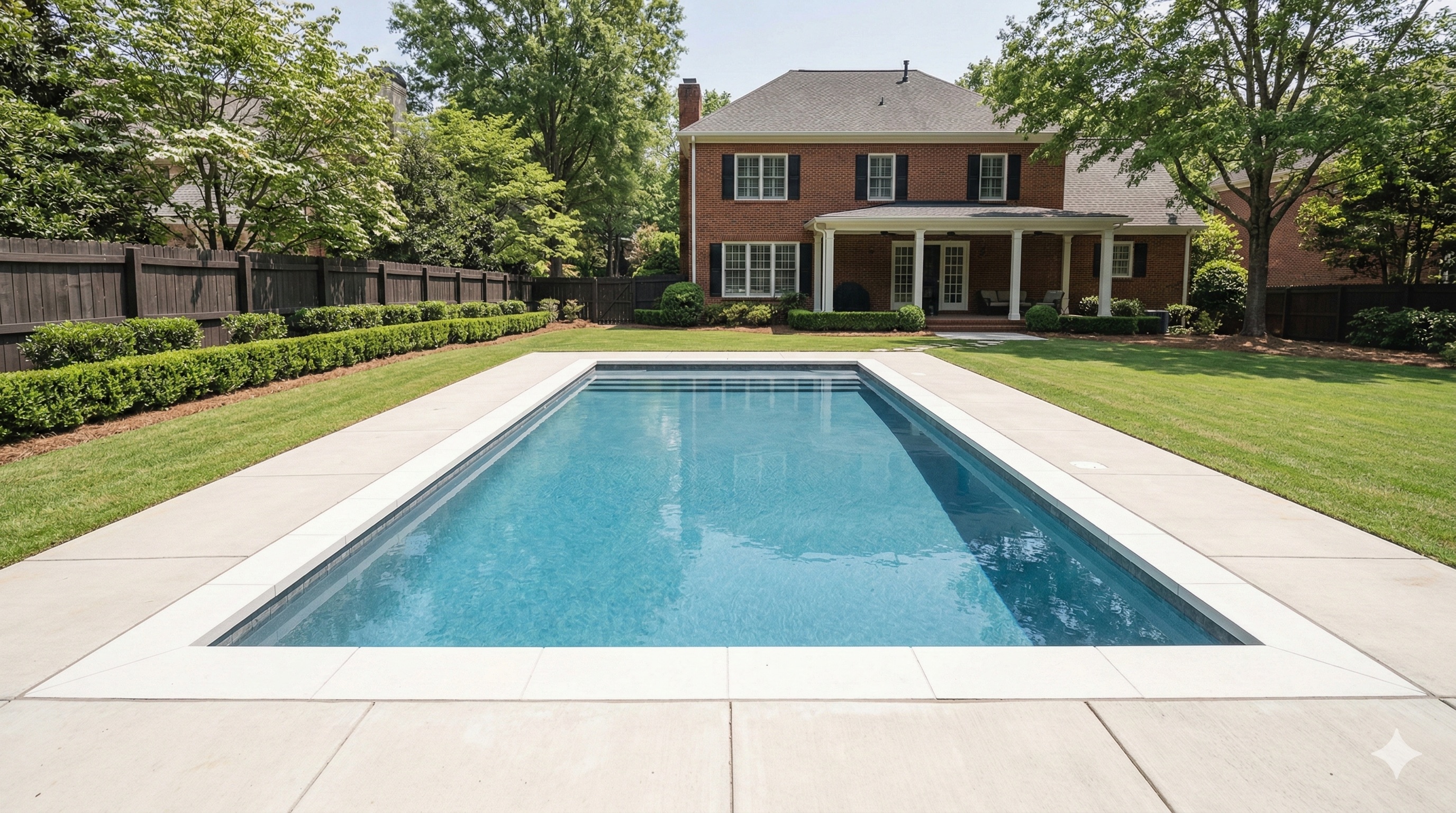
During a pool renovation. If you're already resurfacing and the equipment pad is being accessed for plumbing work, adding a pump upgrade is minimal incremental labor. The crew is already on site, the pool is already down, and the electrical connections can be made during the equipment phase of the project.
When your current pump fails. A dead single-speed pump is the clearest trigger — you're buying a new pump anyway, so the cost comparison is just the difference between single and variable speed, which pays for itself fast.
When your electric bills are painful. If your pool electricity costs feel excessive, a variable speed pump is the single biggest reduction you can make. It dwarfs the savings from LED lighting or timer-based scheduling alone.
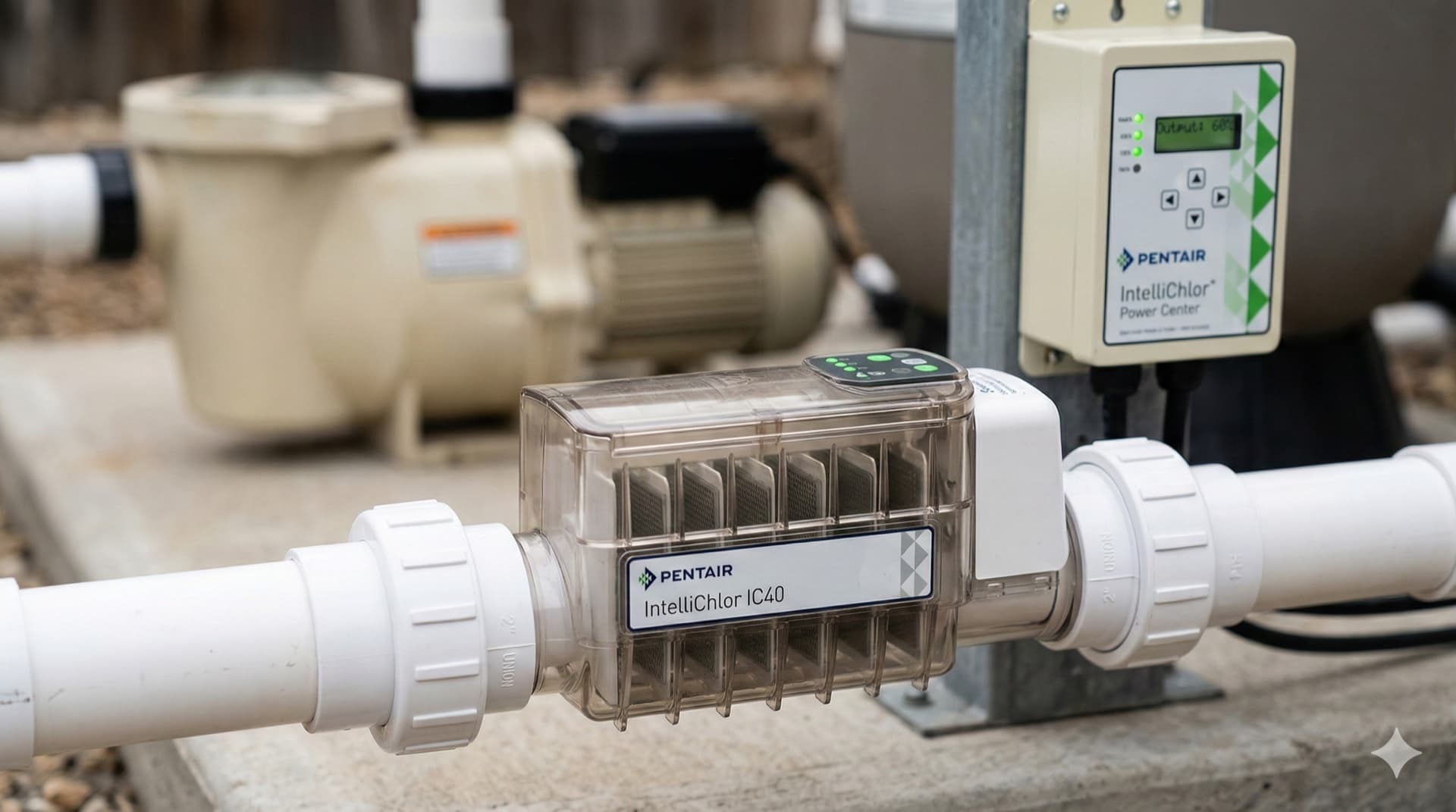
When you're adding a salt system. Converting to a salt water system changes your pump requirements. Variable speed pumps work well with salt chlorine generators because they maintain consistent, lower-speed flow — which is what salt cells perform best with.
What About Noise?
This is the underrated benefit. Single-speed pumps are loud — typically 65 to 75 decibels, roughly the volume of a vacuum cleaner running continuously. If your equipment pad is near your patio, outdoor living area, or a neighbor's property line, that noise is constant during pump operation.
A variable speed pump at low speed runs at 40 to 50 decibels — quiet enough that you may not notice it from 20 feet away. In neighborhoods across Marietta, Roswell, and other close-lot communities, this noise reduction alone makes the upgrade worth considering.
Pairing With Automation
A variable speed pump's full potential comes out when it's paired with a pool automation system. Automation lets you program speed schedules — low speed for overnight filtration, medium speed for daily circulation, high speed for running the pool cleaner or heating — all controlled from your phone.
Without automation, you can still program speed schedules directly on the pump's onboard controller, but automation adds the convenience of remote control and the ability to integrate the pump with your heater, lights, and salt system into one interface.
If you're considering automation alongside a pump upgrade, doing both during the same project saves on labor and ensures compatibility.
The Bottom Line
Variable speed pumps cost more upfront but pay for themselves quickly through energy savings — and that's before factoring in the longer lifespan, lower noise, and better performance with salt systems and automation.
If your pump is aging and you're planning any kind of pool work, upgrading now makes the most financial sense. And if the DOE regulation applies to your pump size, you're going variable speed on the next replacement regardless — might as well do it on your terms rather than as an emergency replacement in the middle of swim season.
What a Pump Upgrade Looks Like in Practice
A homeowner in Marietta was renovating a 2003-era pool — resurfacing and new coping — and had the equipment evaluated while the pool was down. The original 1.5 HP single-speed Hayward had been running for 19 years and their summer electricity bills reflected it.
A Pentair IntelliFlo VSF was installed during the renovation — the incremental labor was minimal since the crew was already on the equipment pad for plumbing work. Their first full summer on the new pump showed a dramatic drop in electricity costs on the pool circuit. The pump paid for itself quickly, and years later it's still running quietly at low speed while their neighbors' single-speed pumps drone on.
The U.S. Environmental Protection Agency's ENERGY STAR program confirms that variable speed pool pumps deliver significant annual energy savings, with the highest savings in regions with extended swim seasons — which describes Metro Atlanta's April-through-October schedule precisely.
Should You Upgrade Now or Wait?
We assess your current equipment situation during every pool consultation and can tell you whether a pump upgrade makes sense for your setup — and what it would cost alongside any other renovation work you're considering.
Use the contact form or call to set up a walkthrough — We'll bring the energy math specific to your pool size and pump runtime.
Ready to Talk About Your Pool?
Get a free, no-obligation consultation from Cornerstone Pool & Remodel.
Request a Free Quote