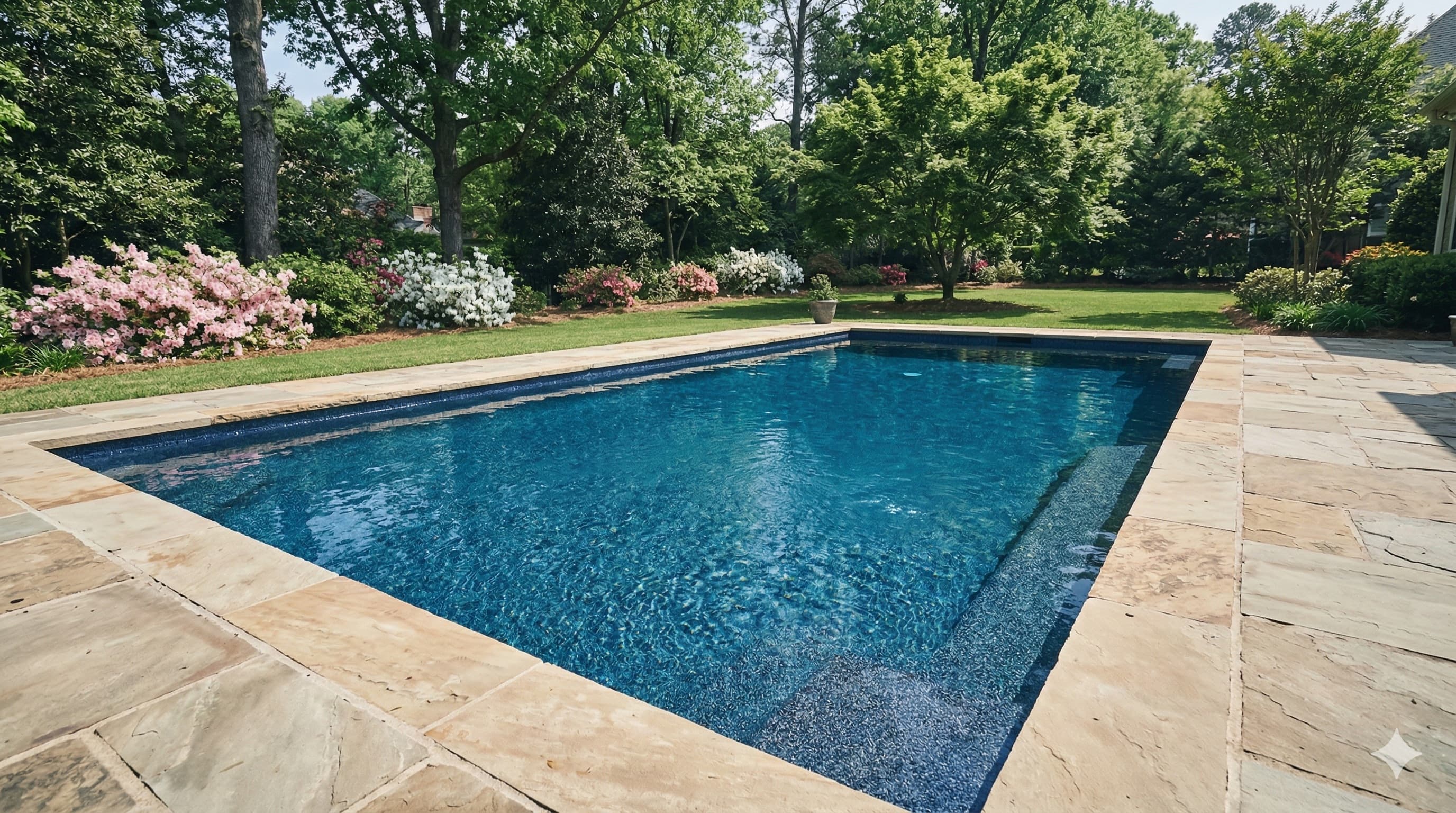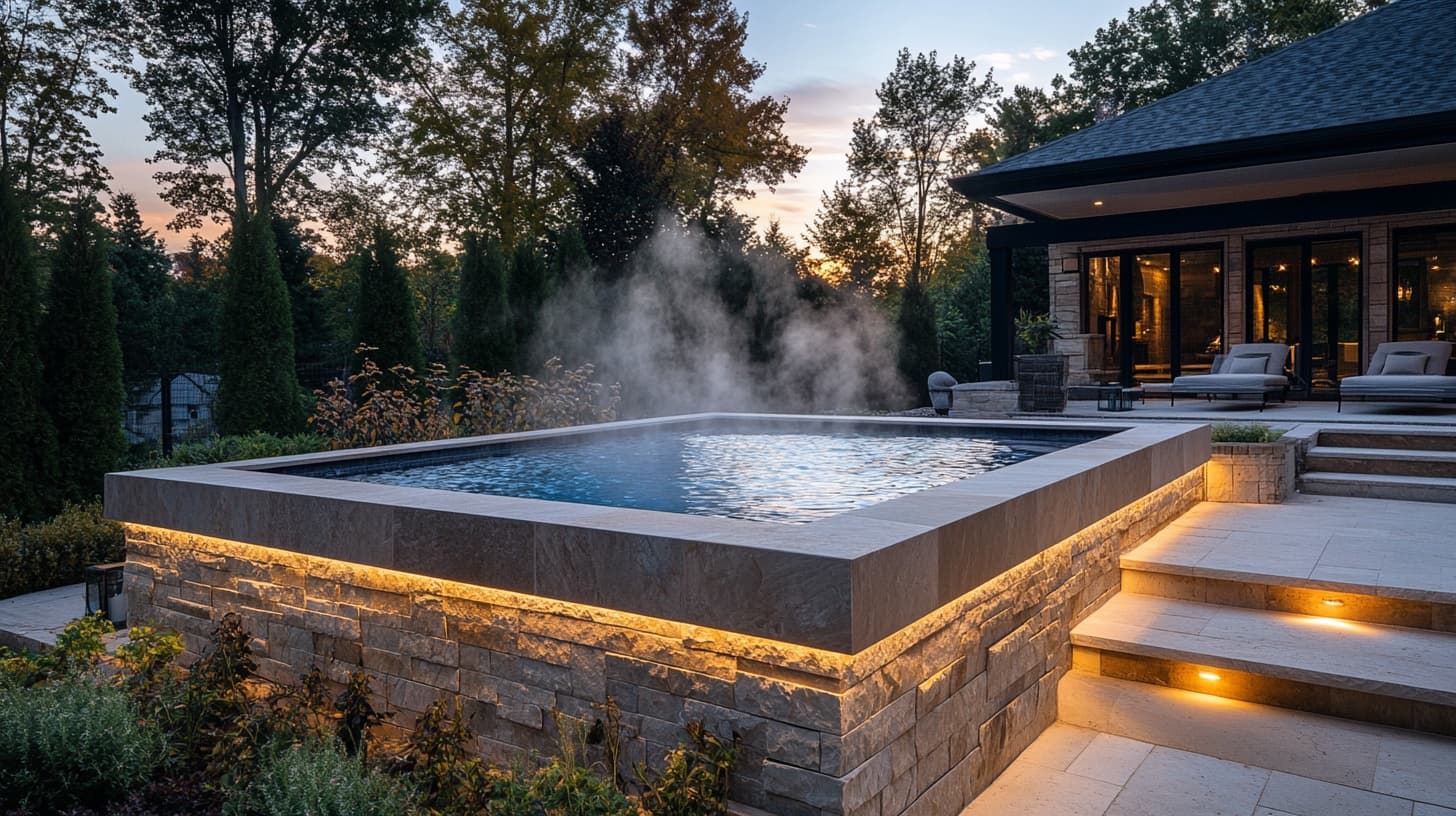
Coping is the cap that sits on top of your pool's bond beam — the border between your pool and your deck. It takes a beating from UV, chlorine, bare feet, and Georgia's freeze-thaw cycles, and when it starts cracking, shifting, or looking dated, it's one of the most visible problems on the entire pool.
If you're looking at coping replacement, here's what the options actually look like and what they cost in Metro Atlanta.
What Pool Coping Does (And Why It Matters)
Coping isn't decorative trim. It serves three functions: it caps the structural edge of the pool shell, it directs splash water away from the pool and toward the deck drains, and it provides a safe, smooth grip edge for swimmers. When coping fails — cracks, shifts, separates from the beam — water can infiltrate behind the pool shell and cause structural damage over time.
The cosmetic side matters too. Coping is one of the first things people notice about a pool because it frames the entire water's edge. Cracked or mismatched coping makes the whole pool look neglected, even if the surface and deck are fine.
Coping Material Options
Travertine Coping
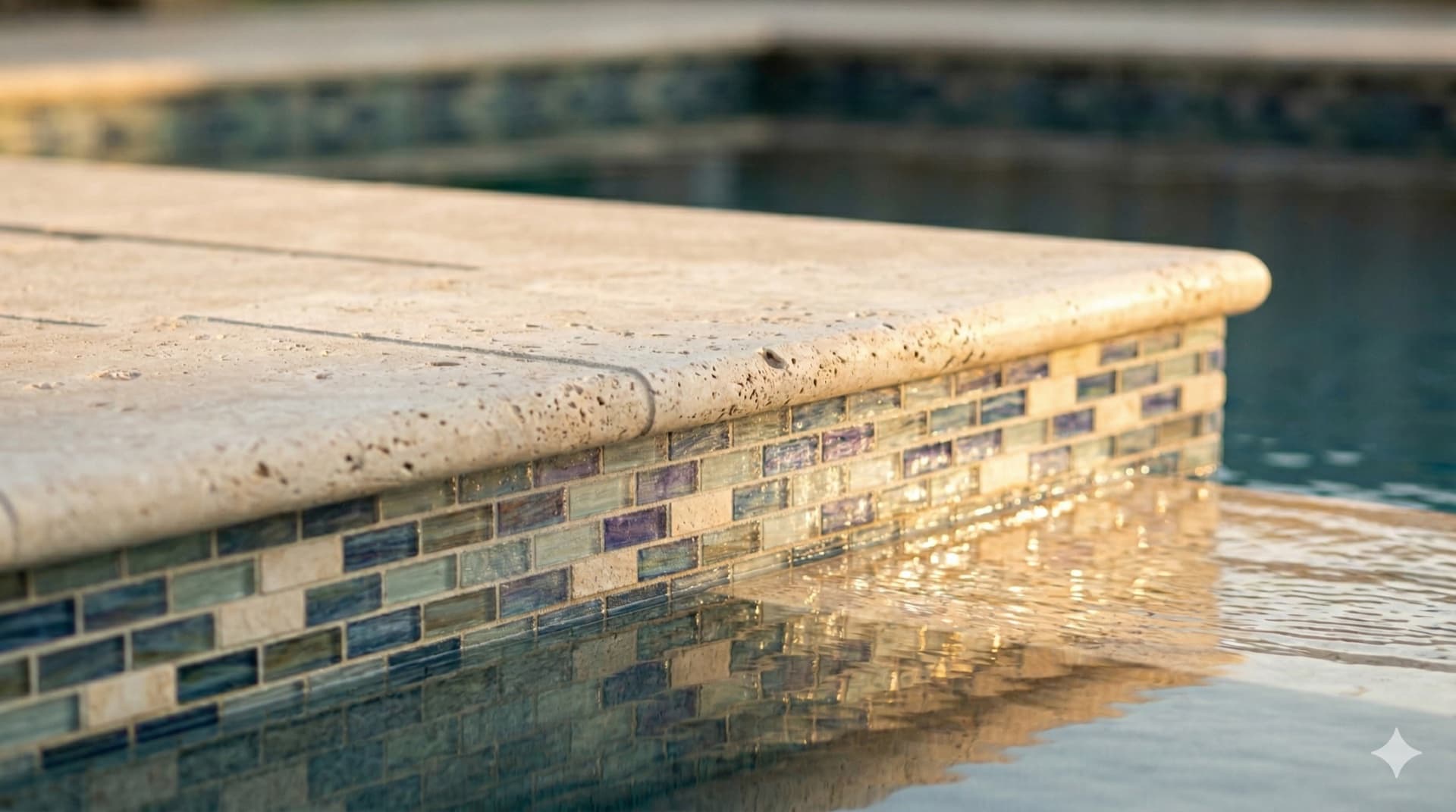
Travertine is what we install most often across Metro Atlanta. It's a natural limestone with a tumbled or honed finish that stays cool underfoot — a real advantage in Georgia summers.
It pairs naturally with travertine decks, but it also looks excellent with a contrasting deck material. The color range runs from ivory and cream to silver and walnut, with natural veining that varies from piece to piece.
Travertine coping is porous, so it needs sealing every 2 to 3 years to resist staining from red clay and pool chemicals. That's the main maintenance trade-off — but most homeowners consider it worth it for the look and the cool-to-the-touch feel.
Natural Stone Coping (Flagstone, Bluestone, Limestone)
Beyond travertine, we install other natural stone options depending on the home's architecture. Flagstone gives an organic, irregular edge. Bluestone offers a clean, gray-toned look popular in more contemporary designs. Limestone provides a uniform appearance similar to travertine but with less veining.
These materials all share travertine's advantages — naturally cool, unique character — and the same maintenance reality: they're porous and need periodic sealing.
Precast Concrete / Cantilevered Coping
Precast concrete coping (also called cantilevered or bull-nose coping) is a manufactured product that's been the standard for decades. It's what most Atlanta pools built in the 1990s and 2000s came with.
It's the most budget-friendly option, comes in a limited range of colors, and is easy to replace since it's still widely available. The downside: it looks like what it is — a manufactured product. It doesn't have the depth or character of natural stone, and it retains more heat in summer.
Brick Coping
Brick coping is common on older Atlanta pools, particularly in traditional-style neighborhoods in Buckhead and Druid Hills. It has a classic look that suits certain homes perfectly. The practical drawback is that standard brick is very porous and absorbs water readily, which can lead to spalling during freeze-thaw cycles. If you want the brick look, specify a paver-grade brick rated for pool applications.
What Coping Replacement Costs in Atlanta
Here's what you can expect to pay for coping replacement in Metro Atlanta, based on projects we've completed across the area:
Precast concrete coping: $8 to $15 per linear foot installed. For a typical 120-linear-foot pool perimeter, that's $960 to $1,800.
Travertine coping: $20 to $40 per linear foot installed. Same perimeter: $2,400 to $4,800. The range depends on the stone grade, the profile (flat vs. bull-nose vs. drop-face), and the complexity of the pool shape — curves and radius sections take more cutting and labor.
Natural stone (flagstone, bluestone): $25 to $45 per linear foot installed, depending on the material and how much custom cutting is involved.
Brick coping (paver-grade): $15 to $25 per linear foot installed.
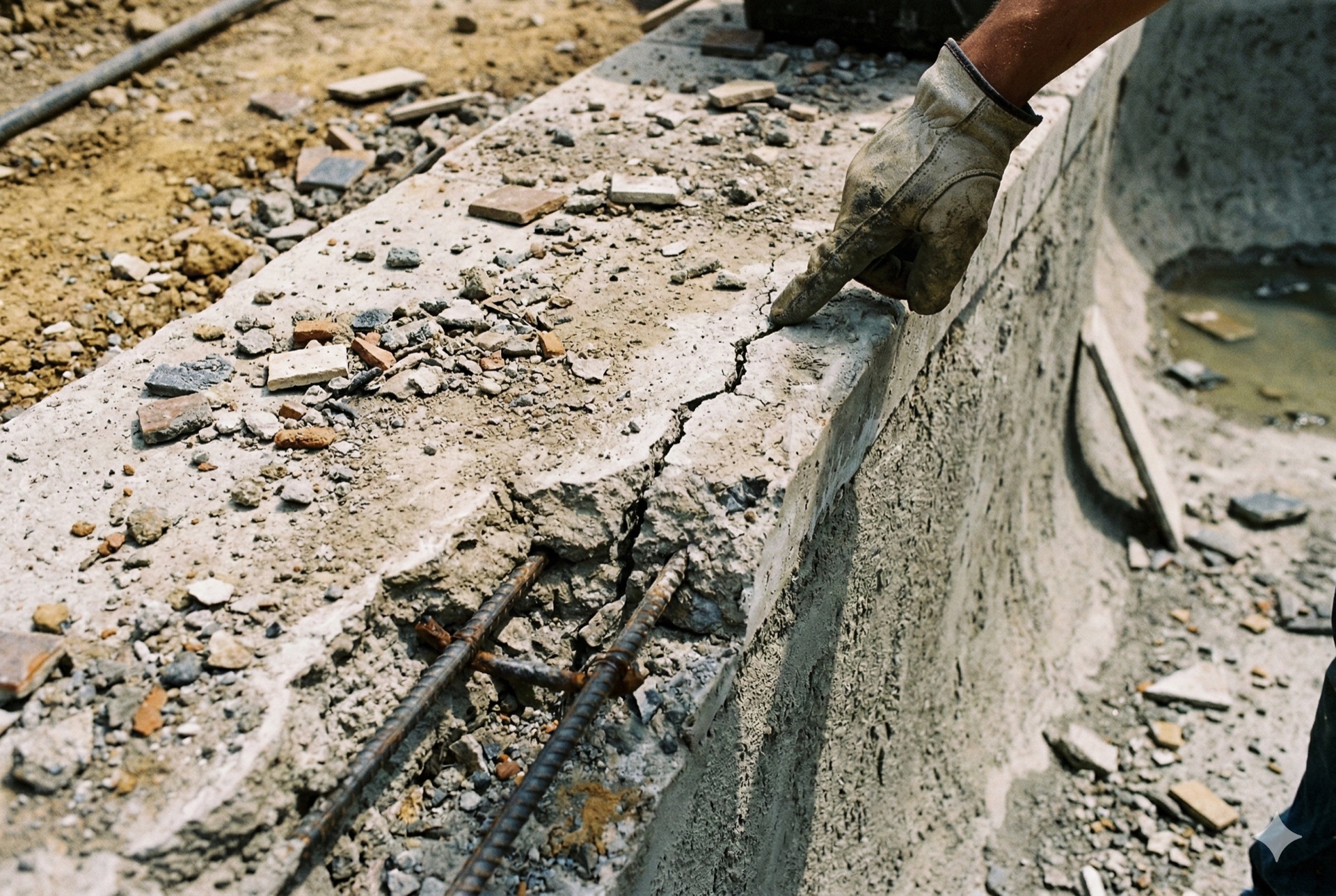
These prices include removal of the old coping, bond beam preparation, new mortar setting, and grouting. If the bond beam itself is damaged — cracked concrete, exposed rebar, structural shifting — that needs repair before new coping goes on, and it adds $5 to $15 per linear foot depending on severity.
For full cost context, see our detailed Atlanta resurfacing cost guide.
Should You Replace Coping During a Resurface?
Short answer: almost always yes.
If you're already resurfacing your pool, the pool is drained and the crew is on site. Adding coping replacement during a resurface adds the material and coping labor cost, but you skip a separate mobilization, separate drain cycle, and the awkward transition of new surface meeting old coping.
Aesthetically, new surface with old coping looks off. The colors and materials don't match, and it highlights the age of the coping. We've had homeowners skip coping during a resurface to save money, then call back six months later wanting it done — which means another round of scheduling, setup, and working around a filled pool.
The exception: if your existing coping is in genuinely good condition — no cracks, no shifting, color still works — you can keep it. We'll tell you during the walk-through whether it needs replacement or can wait.
What the Replacement Process Looks Like
Day 1: Old coping is cut out and removed. The bond beam is cleaned, inspected, and repaired if needed. This is the critical step — if the beam isn't right, nothing on top of it will last.
Day 2–3: New coping is set in mortar, leveled, and aligned. On a straight-edge pool, this goes quickly. Freeform pools with curves and radius sections take longer because every piece needs custom cutting to follow the shape.
Day 3–4: Grouting between coping stones, cleanup, and sealing (for natural stone).
If coping is part of a larger renovation — resurface, tile, deck — it's integrated into the overall project timeline rather than done as a standalone phase. See our resurfacing timeline post for how the full project sequence works.
How Coping Connects to the Rest of Your Pool
Coping doesn't exist in isolation. It's the transition point between three surfaces — the pool finish below, the waterline tile behind it, and the deck material beside it. When all three work together, the pool looks intentional and cohesive. When one is off, it throws the whole composition.
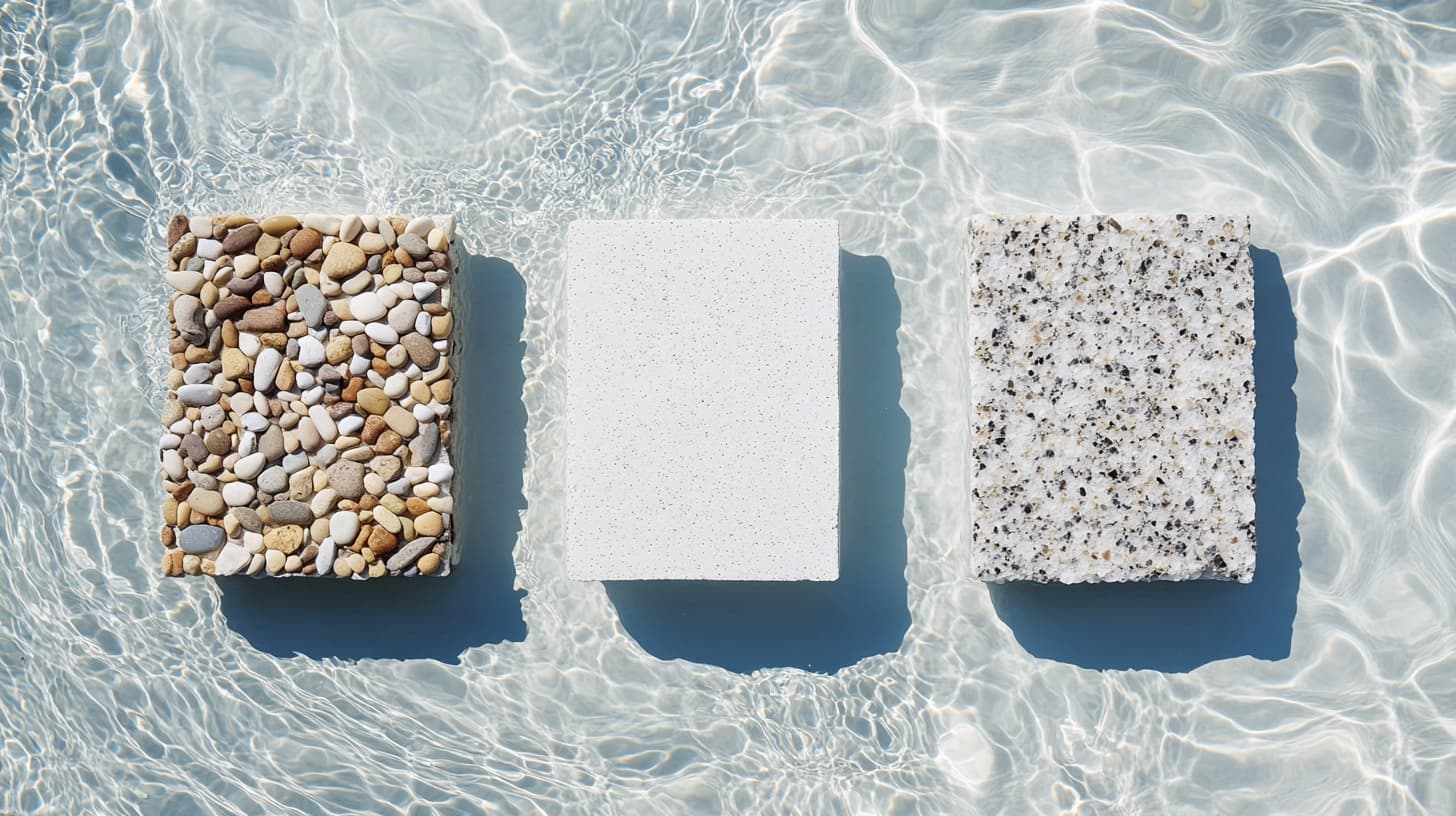
This is where material selection gets specific. Travertine coping with a pebble finish and glass waterline tile is a combination that works across most Atlanta homes. But the exact stone color, tile pattern, and finish blend need to be coordinated — what looks great in a Sandy Springs backyard might not suit a Roswell property with different architecture and landscaping.
During the consultation, we bring coping samples along with finish and tile options so you can see everything together, next to your pool and your house exterior. That sample-comparison process is how you avoid the "it looked different in the showroom" problem.
When to Replace vs. Repair
Not every coping issue requires full replacement:
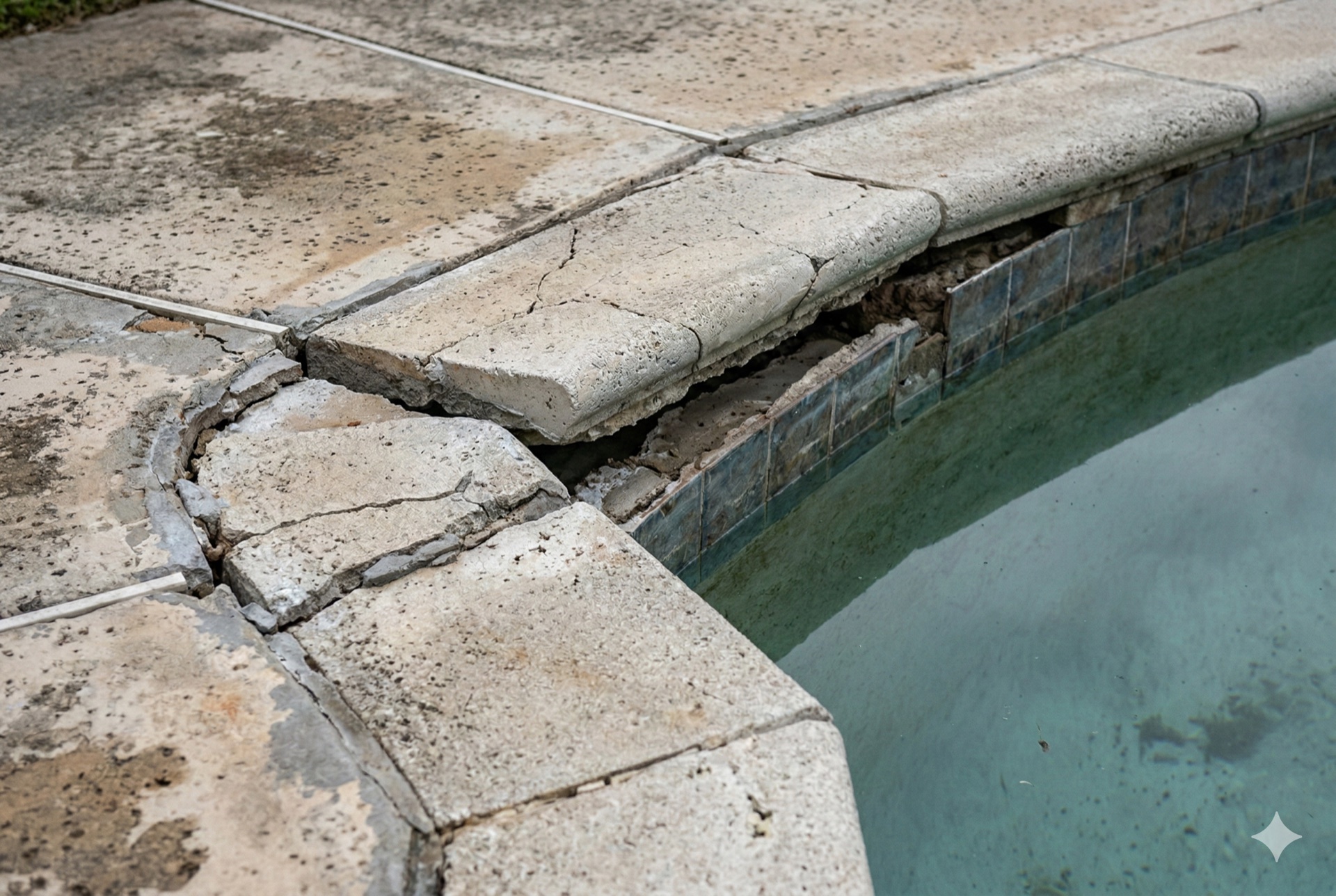
Replace when: More than 20% of the coping is cracked, shifting, or separated from the beam. When the material is discontinued or impossible to match. When the style is outdated and you're renovating other elements anyway.
Repair when: Only a few sections are damaged and matching material is available. When the coping is structurally sound but has minor cosmetic issues that can be addressed with grinding, re-grouting, or re-sealing.
We'll give you a straight assessment during the walk-through. If repair is the right call, we'll say so — even if replacement would be a bigger project for us.
What a Coping Replacement Actually Looks Like
A homeowner in Dunwoody had a 2002-built pool with the original cantilevered concrete coping — the standard bull-nose style that came with most pools of that era. The coping wasn't falling apart, but it had multiple hairline cracks, two sections had separated from the beam by nearly half an inch, and the gray color looked dated next to the StoneScapes pebble finish they'd just chosen for the resurface.
During the walk-through, one of the separated sections was pulled up — the beam underneath was sound, with no rebar exposure and no structural cracks. That meant the project could go straight to new coping without beam repair, saving roughly $1,500 on a 130-linear-foot perimeter.
They chose tumbled ivory travertine with a drop-face profile. The coping cost came to $3,900 installed — about $30 per linear foot — and transformed the pool's appearance more than any other single element of the renovation. The old concrete coping had made the entire pool look institutional; the travertine made it look intentional.
The Natural Stone Institute recommends that all natural stone pool coping be sealed within 72 hours of installation and resealed every 2 to 3 years in chemically treated pool environments — which tracks exactly with the maintenance schedule we advise for travertine installations in Metro Atlanta.
Let's Look at Your Coping
If your coping is cracking, shifting, or just looks like it belongs to a different decade, the first step is an on-site look. We'll check the coping, assess the beam condition underneath, and show you material options next to your pool — with specific pricing, not a ballpark range.
Call or use the contact form to set up a time.
Ready to Talk About Your Pool?
Get a free, no-obligation consultation from Cornerstone Pool & Remodel.
Request a Free Quote