After 15+ years of renovating pools in Metro Atlanta — and regularly getting called in to fix other contractors' work — We've seen the same mistakes repeat. Some cost homeowners a few hundred dollars. Some cost tens of thousands.
Most of these aren't random bad luck. They're predictable errors that happen because someone skipped a step, chose the wrong material for the conditions, or hired based on price rather than expertise.
Here's what to watch out for.
Choosing the Wrong Finish for Georgia's Conditions
This is the most common mistake we see, and it happens because homeowners make finish decisions based on a dry swatch in a showroom rather than understanding how materials perform in Georgia's specific conditions.
The mistake: Choosing a light-colored marcite plaster for a pool surrounded by mature trees on a red clay lot. Within two years, the plaster is stained, rough, and looks worse than what it replaced.
Why it happens: Basic plaster is the cheapest finish option, and it looks fine as a sample. But plaster is porous, and Georgia's red clay, heavy organic debris from trees, and hard water create staining conditions that plaster can't resist long-term.
The fix: For pools in wooded settings (common across Metro Atlanta), a pebble finish like StoneScapes or quartz finish resists staining far better. The modest cost difference pays for itself by not needing a second resurface in 7 years.
Resurfacing Without Replacing Failed Coping
The mistake: Investing in a new pool surface while leaving cracked, shifted coping in place.
Why it happens: Budget pressure. The homeowner wants to save money by keeping the old coping. The contractor goes along with it to close the deal.
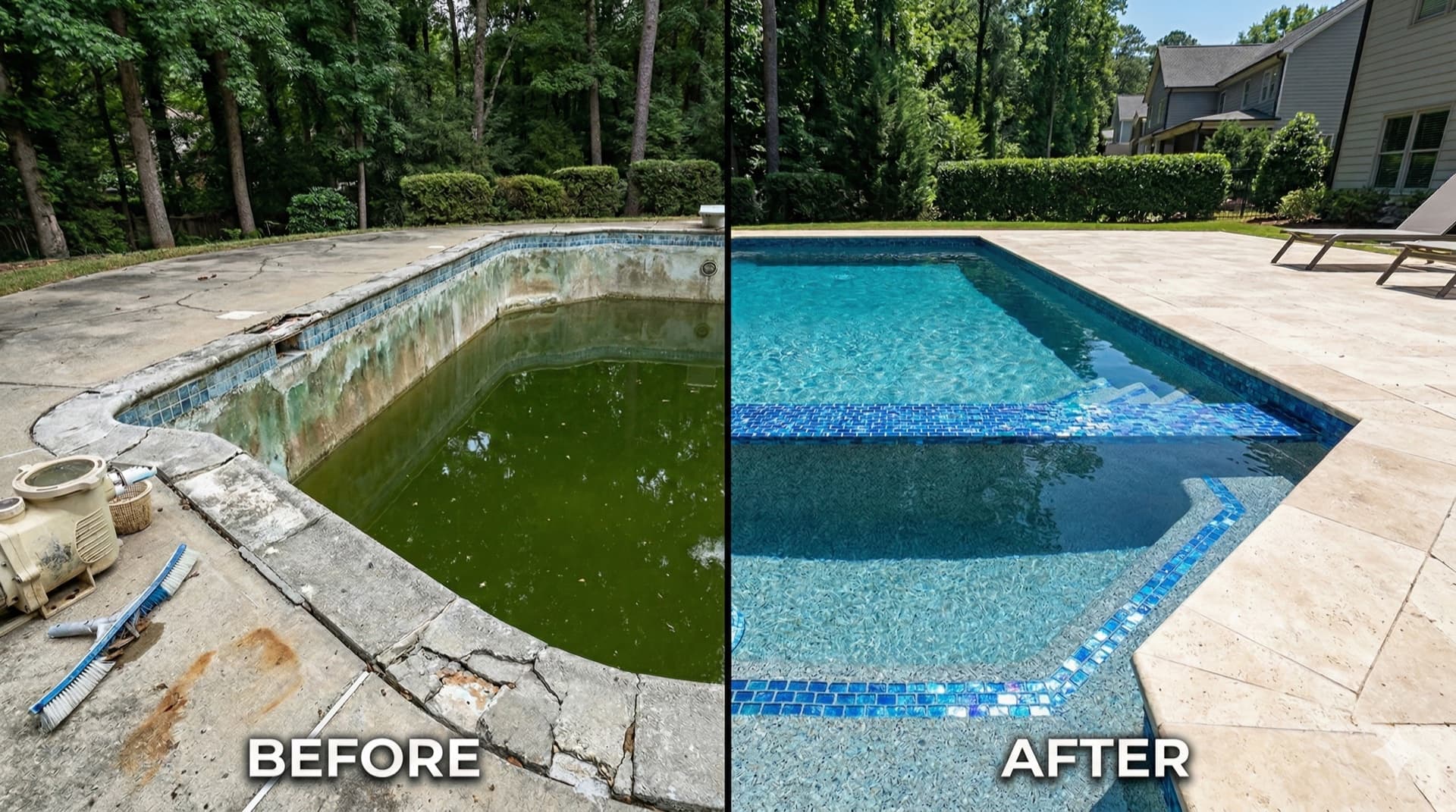
The problem: Damaged coping allows water to infiltrate behind the pool shell, which can cause delamination of the new finish from the back side. Beyond the structural risk, new surface next to old coping looks mismatched — the colors and materials clash, and it highlights the age of the coping rather than complementing the new finish.
The right approach: If the coping is structurally sound and aesthetically acceptable, keep it. If it's cracking, shifting, or separated from the beam, replace it during the resurface. The pool is already drained and the crew is already on site — this is the most cost-effective time to do it.
Skipping Bond Beam Inspection
The mistake: Applying new coping over a deteriorated bond beam without repairing it first.
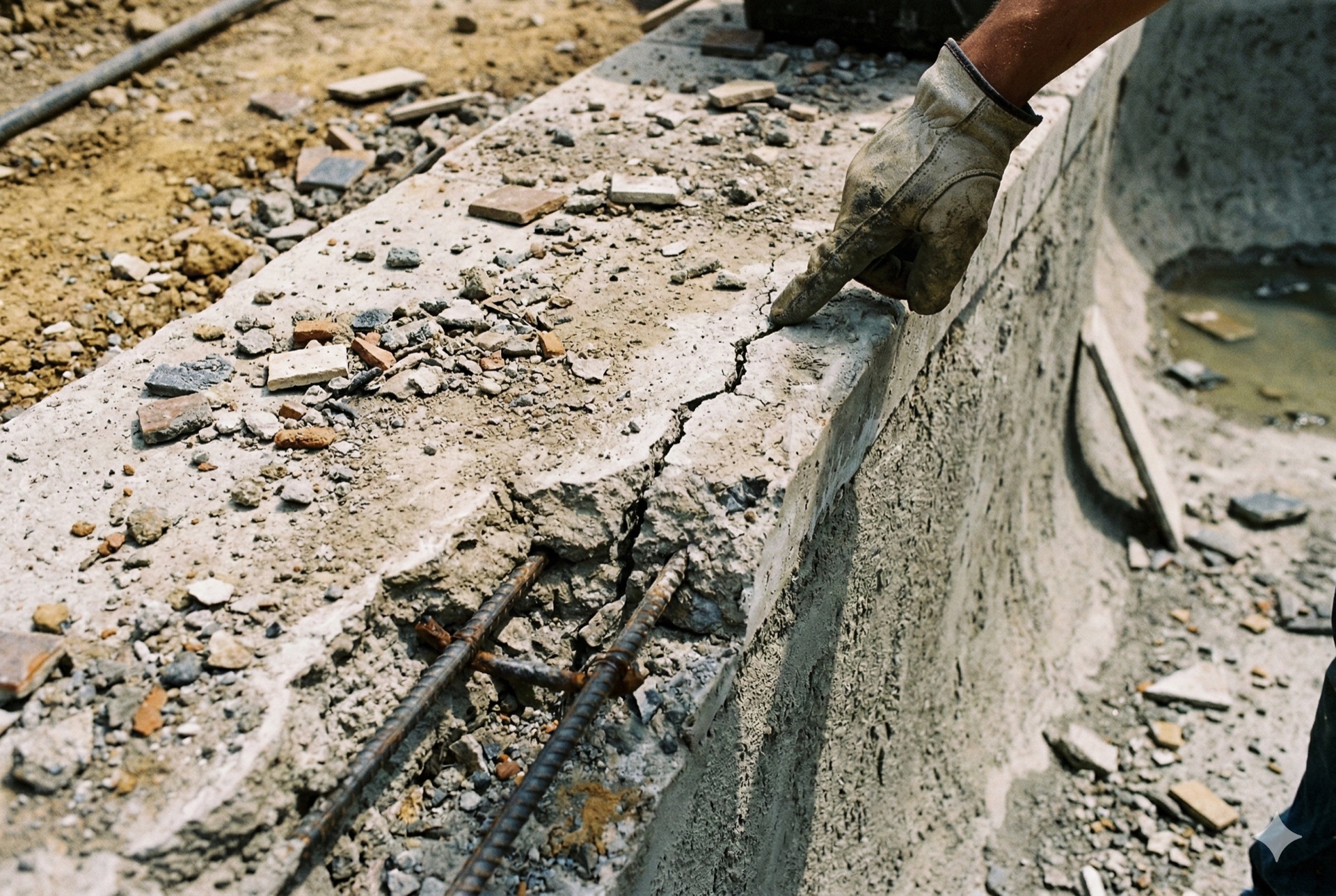
Why it happens: The bond beam is hidden under the old coping. Many contractors remove the old coping, see a beam that's "not that bad," and proceed with new coping installation to stay on schedule.
The problem: A compromised bond beam — cracked concrete, exposed rebar, water damage — means the new coping has no stable foundation. Within 1 to 3 years, the new coping shifts, cracks, or separates, and you're paying for the work twice.
The right approach: Every coping replacement project should include a full bond beam inspection after old coping removal. If the beam needs repair — patching cracks, addressing rebar corrosion, rebuilding sections — that work happens before a single piece of new coping is set. It adds time and cost, but it's the foundation everything else sits on.
Hiring Based on the Lowest Quote
The mistake: Getting three quotes and choosing the cheapest one without understanding why it's cheapest.
Why it happens: Pool renovation is a significant investment, and a quote that's meaningfully lower than the others is tempting. The homeowner assumes all contractors deliver roughly the same result, so price is the differentiator.
The reality: That lower quote usually comes from one of three places — cheaper materials (a thinner finish application, lower-grade stone, less experienced crew), excluded scope (the quote doesn't include items the other quotes do), or subcontracted labor (the company pays less for subcontractors who may or may not have the skills for the work).
The right approach: Compare quotes line by line. Verify that the same materials, the same scope, and the same inclusions are in every quote. A quote that includes premium finish, travertine coping, glass waterline tile, and equipment reconnection is a fundamentally different project than a lower quote that specifies basic plaster and excludes coping and tile.
Ignoring Deck Drainage During a Deck Replacement
The mistake: Replacing the deck surface without addressing the drainage slope.
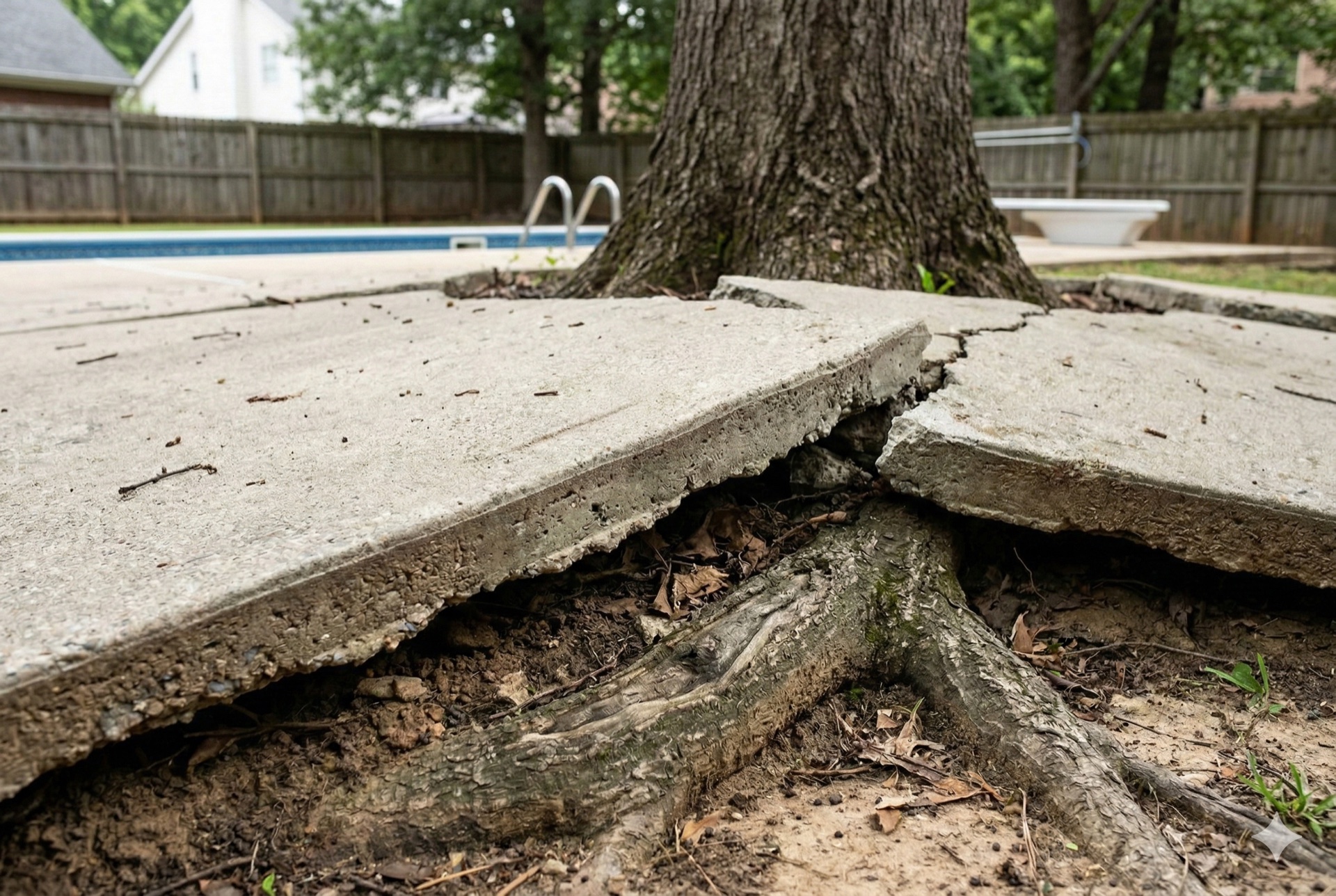
Why it happens: The old deck had standing water problems, but the homeowner (or contractor) focuses on the surface material — travertine, pavers, the fun part — without correcting the underlying grade.
The problem: Atlanta gets 50+ inches of rain per year. Standing water on a pool deck creates slip hazards, accelerates material deterioration, and can cause water infiltration behind the pool shell. New pavers on old, poorly graded base still have the same drainage problem — they just look nicer while the water pools.
The right approach: A proper deck replacement includes re-grading the base material to achieve the right drainage slope away from the pool and toward designated drainage points. This isn't glamorous work, but it's the difference between a deck that performs for 15+ years and one that develops problems within 3 to 5.
Not Upgrading Equipment During a Renovation
The mistake: Investing in a beautiful new surface, coping, and deck — then reconnecting it all to a 20-year-old single-speed pump and outdated filter.
Why it happens: Budget exhaustion. By the time the homeowner has priced the surface, coping, tile, and deck work, they've spent their budget. Equipment gets pushed to "next year."
The problem: Old equipment is inefficient, increasingly unreliable, and likely to fail within a few years — at which point you're paying for another crew mobilization and potentially draining the pool again.
The right approach: At minimum, evaluate the equipment during the renovation. If the pump, filter, or heater are within a few years of expected failure, replacing them now saves the cost of a separate future service call. A variable-speed pump upgrade pays for itself in energy savings within 1 to 3 years.
Poor Tile Work That Shows
The mistake: Accepting waterline tile installation from a crew that doesn't specialize in tile.
Why it happens: Many pool renovation companies treat tile as a secondary element — the "plaster crew" handles it, or a general laborer does the tile while the main crew works on the surface.
The problem: Bad tile work is immediately visible and impossible to fix without tearing it out. Uneven grout lines, inconsistent spacing, sloppy cuts at corners, and poor adhesion behind the tile are common when non-specialists do the work. On glass tile — which is less forgiving than ceramic — these issues are magnified.
The right approach: Ask who specifically does the tile installation and what their tile experience is. At Cornerstone, tile work is our specialty — 15+ years of hands-on tile work, including formal training under Italian tile artisans in decorative installation. The waterline tile is one of the most visible elements of your pool, and it deserves the attention of someone who specializes in it.
Renovating in the Wrong Season
The mistake: Starting a pool renovation in May or June, expecting to swim by July.
Why it happens: The homeowner decides they want the pool fixed for summer and calls a contractor in late spring.
The problem: Summer is peak season for pool contractors. Lead times stretch. Material availability tightens. Crews are booked. What would be a 4-week project in October becomes a 6-to-8-week project in June — and you've lost most of the summer anyway.
The right approach: The best time to start a pool renovation in Georgia is September through February. You're not swimming anyway, contractors have more availability, and the pool is ready well before the next swim season.
Not Getting Everything in Writing
The mistake: Proceeding based on verbal agreements about scope, materials, and timeline.
Why it happens: The homeowner likes the contractor, the verbal conversation goes well, and nobody wants to "slow things down" with paperwork.
The problem: Verbal agreements are unenforceable and lead to disputes. "we thought travertine coping was included" versus "that was discussed as an option, not included in the price" is a conversation that happens more often than it should.
The right approach: Every detail should be in the written contract: materials by name and grade, scope of work, timeline, payment schedule, warranty terms, and what happens if the project runs over schedule or encounters unexpected conditions.
When Multiple Mistakes Compound
A homeowner in Johns Creek ended up needing a second renovation after a different contractor's work had gone wrong on three fronts simultaneously. The original contractor had resurfaced with basic plaster over a bond beam that should have been repaired (mistake #3 above), installed the cheapest waterline tile with visible grout inconsistencies (mistake #6), and left the old cracked coping in place (mistake #2) — all for a "great price" that turned out to be the lowest of four quotes (mistake #4).
Eighteen months later, the plaster was delaminating where moisture had infiltrated through the damaged bond beam. The coping had shifted further, opening a gap that accelerated the water intrusion. And the tile was popping off because the thinset adhesion had failed behind three sections.
The repair scope: remove and redo the surface (StoneScapes Mini Pebble this time), repair the bond beam properly, replace all coping with travertine, and reinstall waterline tile with proper substrate preparation. In the end, the homeowner paid significantly more total — combining the original contractor's work and the repairs — for a result they could have had for much less if it had been done correctly the first time.
The U.S. Consumer Product Safety Commission's guidelines on pool maintenance and renovation emphasize that structural integrity assessments — including bond beam inspection — should precede any surface renovation, and that using qualified specialists for each renovation component reduces the likelihood of premature failure.
Learn From Others' Mistakes
The common thread across all of these mistakes is that they're avoidable with the right contractor and the right process. If you're planning a renovation, the best insurance is working with someone who's seen these problems before and structures every project to prevent them.
We'll walk your pool, assess what needs attention, and show you exactly what we'd recommend and why — no surprises once the work starts.
Reach out through the contact form or call to set up a walkthrough.
Ready to Talk About Your Pool?
Get a free, no-obligation consultation from Cornerstone Pool & Remodel.
Request a Free Quote